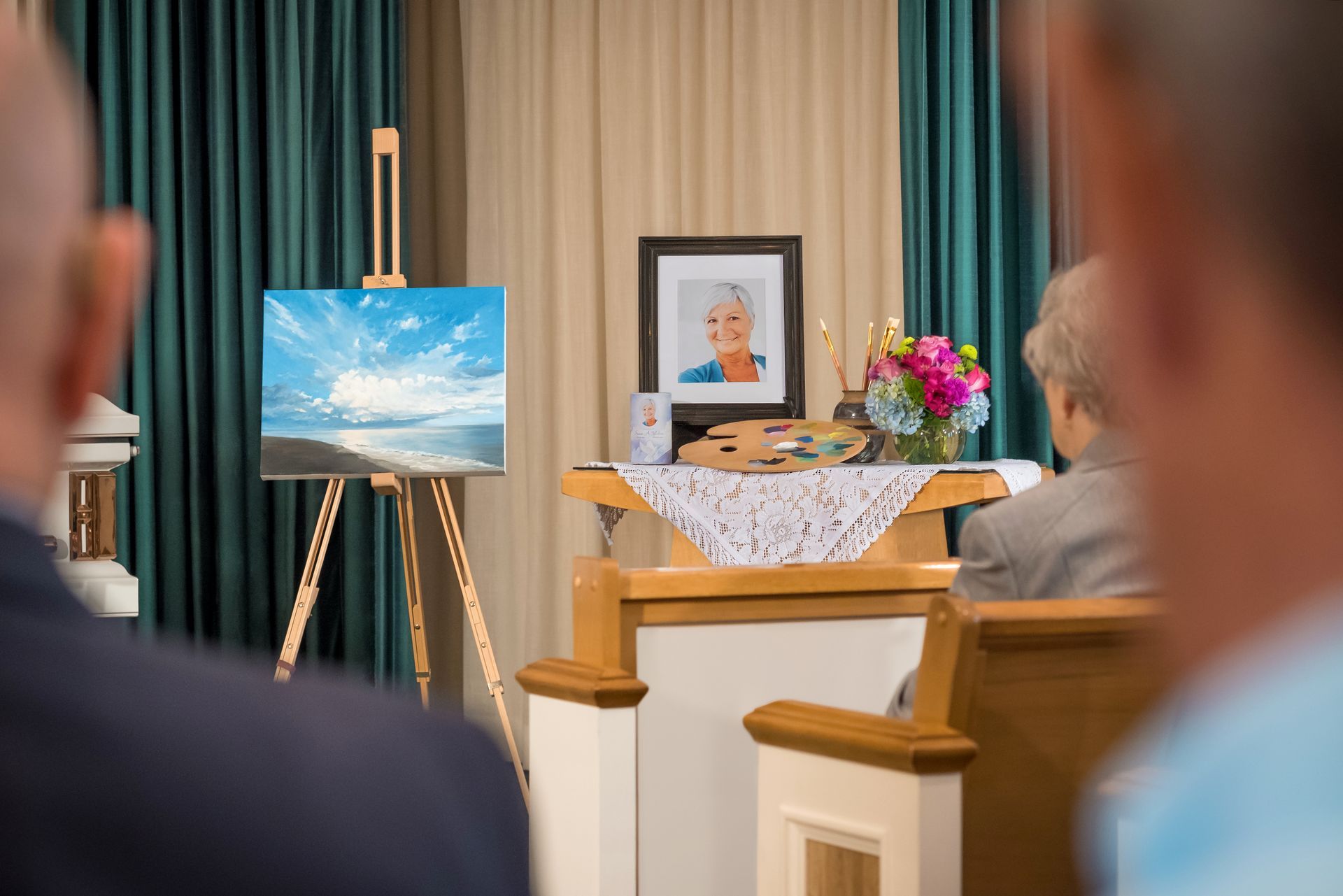
Celebration of life ideas

Most of us are quite familiar with the traditional funeral service. Chances are you’ve attended at least one before. Formal services tend to be quite similar in their formats – though any funeral home worth its salt will personalize one as much as requested – and while there’s certainly an allowance for joy in remembrance, they tend to be somewhat solemn events that focus on respect and reflection.

At our funeral home, we hold the traditional funeral service in high regard. We know that such gatherings are often the most appropriate and appreciated way to honor a lost loved one.

We’ve also noticed a different type of ceremony becoming more popular over time: the celebration of life. A celebration of life ceremony is the non-traditional cousin of the traditional funeral service. Held either in place of or after a memorial service, its purpose is to acknowledge the joy and light a passed loved one brought into the world. Guests have the opportunity to say goodbye by sharing positive stories, passing along memories, and, well, celebrating the person who passed away.

Celebrations often don’t incorporate the physical presence of the deceased in an urn or casket, and they typically aren’t held in funeral homes or religious buildings.

The one real rule for holding a celebration of life ceremony is that there are no rules. A decedent may have already specified for her family what type of celebration should take place. (My family, for example, knows that they should spend as little as possible on things like a rented facility or formal programs, but they should spare no expense when it comes to pizza, beer, and board games.) Family members who were close to the decedent will often have a good idea of how casual the celebration should be and which details make the most sense.

Keeping in mind that there are no requirements, here are some things to think about when planning a celebration of life:

Who? Consider who you’ll invite to help you celebrate. Some celebrations are very intimate, restricted to just immediate or close family. But a large celebration incorporating all the same people who would attend a traditional service is also an option. 

Where? Once you have a rough idea of how many guests to expect, determine a location for the ceremony. Don’t be afraid to think outside the box. I once had a friend who celebrated the life of her lost spouse with a simple gathering of friends around a campfire. Celebrations of life can be held at a home, restaurant, park, banquet hall, or some other spot of particular significance. Just make sure whichever place you pick can hold the number of people who will likely attend.

How? What is the best way to honor and celebrate your loved one? Celebrations can incorporate an officiant, who will speak to the group about the life of the decedent and nudge the ceremony along. If the gathering will be more informal, an officiant and programs may not be necessary. Instead, you might consider designating a Family Member in Charge, who will be responsible for leading the group in telling stories about the departed.

Other great ideas for remembrance include picture boards or scrapbooks, a remembrance video, readings from the decedent’s favorite literature, the incorporation of the decedent’s favorite music, and a selection of crowd-pleasing food that honors the decedent’s tastes.

Truly, the options for celebrating the life of somebody you held dear are limitless. 

A note on party (pre)planning: We talk about preplanning for the inevitable a lot in our industry. But we do understand that planning for death isn’t always the happiest of tasks. Here’s where we’re especially excited about celebrations of life:

Planning parties is fun. Picking out balloons, thinking about food, and finding all the details to make an event really special – these are things that have positive associations in American culture. (Heck, just take a look at how much excitement is generated by the wedding-planning industry.) Celebrations of life present an interesting opportunity to think about death arrangements in advance with the undertone of fun and joy. If you have a friend or relative who has been unwilling to discuss his future arrangements, talking to him about a celebration of life may spark a conversation that doesn’t overwhelm or intimidate him.

Have you attended a celebration of life ceremony before? What did you think? Send us your thoughts on Facebook , and we might include them in a future post or newsletter.

February 2, 2026
Inflation affects nearly every part of daily life, from groceries and utilities to health care and housing. One area that is often overlooked is funeral and cremation planning. Like most services, these costs tend to increase over time. Preplanning provides a thoughtful way to prepare while reducing both financial and emotional stress in the future. More people are choosing to make arrangements in advance, not only to ensure their wishes are clearly known, but also to help protect their families from rising costs and difficult decisions during an already emotional time. The Reality of Rising Costs Funeral and cremation services include many components influenced by inflation, such as professional care, facilities, transportation, materials, and regulatory requirements. As these expenses increase, waiting to make arrangements can result in higher costs for families who may be unprepared to manage them, both emotionally and financially. Planning ahead allows you to make decisions calmly and deliberately, rather than facing rushed choices during a time of loss. Addressing Today’s Prices One benefit many people appreciate about preplanning is the ability to address pricing in advance and reduce uncertainty about future costs. Preplanned arrangements may be funded in full or paid over time, giving you the flexibility to choose an option that fits your budget and personal situation. This approach helps make planning more approachable and manageable. To help protect pricing, arrangements are typically financially secured through full payment or an approved payment plan. This helps ensure that the services you choose today remain in place in the future, even as costs change. Reducing Financial Stress for Loved Ones One of the most meaningful benefits of preplanning is the consideration it shows for those you care about. When a death occurs, families are often required to make many decisions in a short amount of time. Having arrangements already in place removes much of that burden. By planning ahead, you relieve your loved ones from financial uncertainty and clearly document your wishes. This allows them to focus on honoring your life and supporting one another instead of worrying about costs or decisions. A Thoughtful Part of Long Term Planning Preplanning final arrangements is similar to creating a will or setting aside savings. It is an important step in long term planning. It gives you the opportunity to take control, ask questions, and make informed choices without pressure. Many people find comfort in knowing their plans are documented, their preferences are clear, and inflation is less likely to affect the value of the arrangements they have chosen. Peace of Mind for Today and Tomorrow Ultimately, preplanning is about peace of mind. It provides reassurance that your wishes are understood, your family is supported, and important details are handled thoughtfully. If you have been considering planning ahead, our team is here to share information, explain options, and answer questions whenever you are ready.  A simple conversation today can bring comfort and confidence for years to come.
January 13, 2026
Prepaid funeral plans are often misunderstood. While some people worry about cost, flexibility, or security, the truth is that funeral preplanning can offer peace of mind and financial protection when arranged through a reputable provider. Below are common myths about prepaid funeral plans—and the facts families should know. Myth 1: Your Money Is Better Off in the Bank Fact: Funeral costs increase over time. A prepaid funeral plan locks in today’s prices on many funeral services and merchandise, helping protect your family from inflation and future cost increases. Myth 2: You’ll Lose Your Money If a Funeral Home Closes Fact: Prepaid funeral plans are regulated by state law. Funds are typically placed in a trust or insurance policy, not held by the funeral home. If a provider closes, the funds can usually be transferred to another funeral home. Myth 3: Moving Makes Your Plan Useless Fact: Most prepaid funeral plans are transferable. If you relocate, your plan can often be moved to another funeral provider, ensuring your arrangements remain in place. Myth 4: Life Insurance Covers Funeral Expenses Fact: Life insurance payouts can take weeks or months, while funeral costs are due immediately. Prepaid funeral plans are specifically designed to cover final expenses at the time of need. Myth 5: The Plan Won’t Work Unless It’s Fully Paid Fact: Many funeral preplanning arrangements provide coverage as soon as payments begin, as long as the account stays current. Your selected services are typically guaranteed. Myth 6: Preplanning Means High-Pressure Sales Fact: Funeral preplanning should be educational and voluntary. Reputable providers focus on honoring your wishes—not selling unnecessary products.  Why Prepaid Funeral Planning Makes Sense Locks in funeral costs Reduces financial stress on loved ones Ensures your wishes are clearly documented Protects against rising funeral expenses Prepaid funeral planning is a thoughtful way to support your family and take control of your final arrangements. Contact us today to get started.
July 24, 2025
Attending a funeral or memorial service can stir up many emotions, and for some, one of the first questions that comes to mind is: What should I wear? While traditions around funeral attire have evolved, dressing appropriately remains a way to show respect—for the person who has passed and for their loved ones. Whether the service is formal, casual, religious, or a celebration of life, here are a few thoughtful guidelines to help you choose what to wear. 1. Stick to Neutral, Conservative Colors Black is the traditional color of mourning in many cultures, but it's not your only option. Other respectful colors include navy, gray, deep green, brown, and muted tones. Avoid bright colors, loud patterns, or anything that draws unnecessary attention unless the family has requested otherwise. Tip: Some services may invite guests to wear the deceased’s favorite color or dress casually—check the obituary or invitation for guidance. 2. Dress Modestly and Neatly Funeral services are somber occasions, so choose clothing that is clean, pressed, and conservative: For women, options include a modest dress, blouse with slacks, or a skirt paired with a cardigan or blazer. For men, a dress shirt with slacks, a suit, or a sport coat with a tie is appropriate. 3. Footwear Matters, Too Choose closed-toe shoes that are comfortable, especially if you'll be standing or walking at a graveside service. Simple dress shoes, loafers, or flats work well. Avoid athletic sneakers or flip-flops unless the service is explicitly casual or outdoors. 4. Consider the Location and Weather The setting of the service can influence your outfit: For outdoor or graveside services, wear weather-appropriate clothing and shoes that can handle grass or gravel. Bring an umbrella or coat if needed. Dark outerwear is always a safe choice. In a place of worship, modest attire is often expected regardless of the season. 5. Keep Accessories Simple This is not the time for flashy jewelry or bold accessories. Choose understated items that won’t distract from the purpose of the gathering. 6. What About Children? Children should also be dressed neatly and conservatively. Simple outfits in neutral colors are best. If unsure, dress them as if attending a formal family event or church service. 7. When in Doubt, Dress Up a Bit It’s always better to be slightly overdressed than too casual at a funeral. If you’re unsure about the dress code, err on the side of formality. A respectful appearance helps convey sympathy and support. What you wear to a funeral doesn’t need to be fancy or expensive—but it should reflect care, humility, and consideration. Remember: your presence is what matters most
July 14, 2025
Planning a funeral or cremation—whether for a loved one or preplanning for yourself—can feel overwhelming. There are many decisions to make, all while navigating the emotions that come with loss. But with a little preparation and guidance, the process can be meaningful, healing, and manageable. Whether you're planning ahead or handling arrangements after a loss, this guide walks you through the key steps of planning a funeral or cremation service. 1. Decide Between Burial and Cremation One of the first decisions to make is whether the individual will be buried or cremated. This choice often depends on personal, cultural, or religious preferences. Burial typically involves a casket, a graveside service, and a cemetery plot. Cremation may still include a funeral or memorial service and allows for more flexible options such as scattering, keeping an urn, or burying cremated remains. Some families choose direct cremation (without a service) or direct burial and hold a memorial at a later time. 2. Decide on the Type of Service There are many ways to honor a life, including: Traditional funeral service (usually with the body present) Memorial service (typically after cremation or burial) Celebration of life (a more personalized, informal event) Services can take place at the funeral home, a place of worship or outdoors. Choose what best reflects the person’s life and what brings comfort to those attending. 3. Select the Details You’ll want to personalize the service with details such as: Obituary and newspaper or online notices Casket or urn selection Music, readings, or spiritual elements Photos, videos, or displays of personal items Flowers or charitable donation options Who will speak, perform, or participate Many families also choose to include military honors, religious traditions, or cultural customs. 4. Consider Final Resting Place Options For burials: Choose a cemetery and purchase a plot if one isn’t already owned Decide on a headstone or grave marker For cremation: Decide whether ashes will be kept, scattered, buried, or placed in a niche Some families divide ashes among keepsake urns or jewelry 5. Handle Legal and Practical Matters Don’t forget the necessary paperwork: Obtain a death certificate (you may need multiple copies) Notify Social Security and financial institutions Handle wills, trusts, and estate matters If applicable, coordinate with veterans’ services or insurance providers Funeral directors can help guide you through most of this, but having documents organized in advance can ease the burden. 6. Consider Preplanning Preplanning your own arrangements relieves your loved ones of decision-making during an emotional time. You can: Specify burial or cremation preferences Choose the type of service and location Prepay or set aside funds Record personal touches you’d like included Preplanning ensures your wishes are followed—and it brings peace of mind to everyone involved. While planning a funeral or cremation is never easy, it is an opportunity to reflect, remember, and celebrate a life. Whether you’re planning for the future or coping with a loss today, take each step at your own pace, and don’t hesitate to reach out to professionals or trusted loved ones for support.
More Posts »

More Resources & Support